
April Update: Confined Space & Safety Insights


This month, we’ve been focusing on a key challenge that affects every site, every team, and every individual:
Skills fade.
Alongside that, we’ve continued sharing practical guidance on confined space safety, risk assessments, and equipment use.
Here’s a roundup of what we’ve been working on in April.
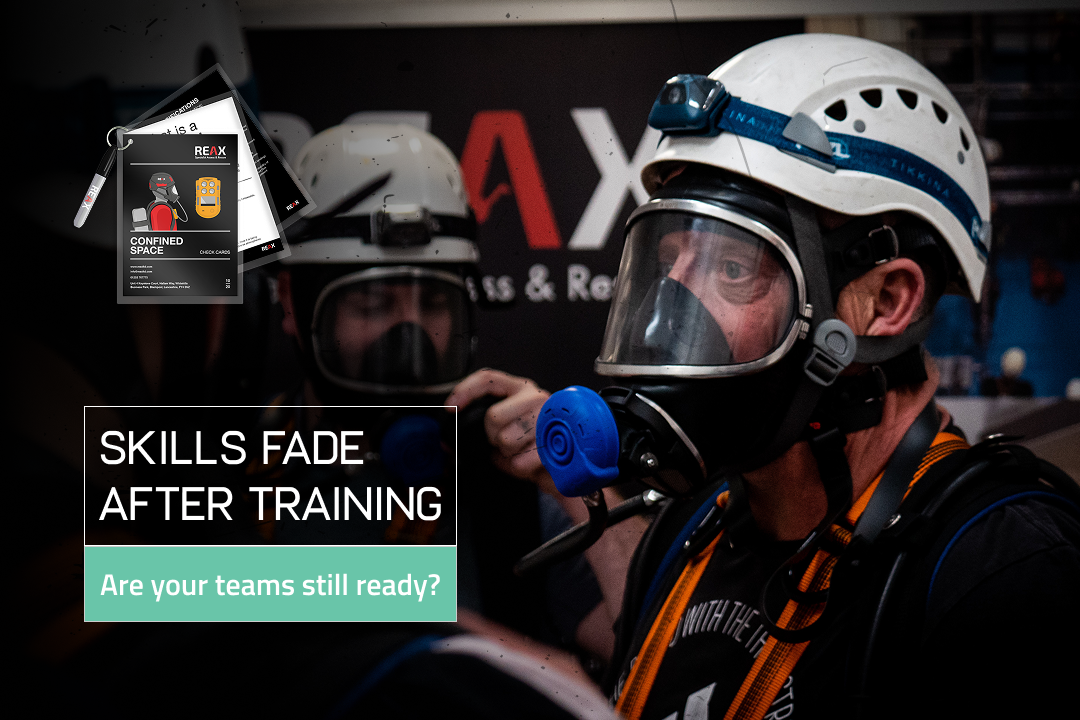
Skills Fade in Confined Space Training
Training is essential.
But what happens after the course ends?
Over time, even the most well-delivered training begins to fade. Not because people don’t care — but because skills that aren’t used regularly are harder to retain.
In confined space work, that’s a problem.
Rescue procedures, equipment handling, and decision-making under pressure all rely on knowledge that needs to be readily accessible.
When those details start to slip, response times slow down, confidence drops, and risk increases.
In our latest blog, we explore:
- Why skills fade happens
- How it impacts confined space safety
- What teams can do to reinforce learning on-site
This isn’t about replacing training, it’s about supporting it.
Because safety depends on what your team can apply in the moment.

Risk Assessments in Confined Spaces Explained
Risk assessments are a legal requirement in the UK but more importantly, they are the foundation of safe working practices.
This becomes even more critical in confined space environments.
Hazards in confined spaces are often referred to as specified risks, including:
- Fire or explosion
- Toxic or asphyxiating gases
- Heat stress
- Entrapment
- Drowning
These risks can escalate quickly if not properly identified and controlled.
That’s why a structured risk assessment process is essential.
In this guide, we break down the five key steps:
- Identify the hazards
- Assess the risks
- Implement control measures
- Record findings
- Monitor and review
While the process itself is straightforward, applying it effectively in real-world confined space environments requires experience and understanding.
Conditions can change quickly and risk assessments need to reflect that.
This blog is designed to help teams move beyond theory and apply risk assessment principles in a practical, usable way.
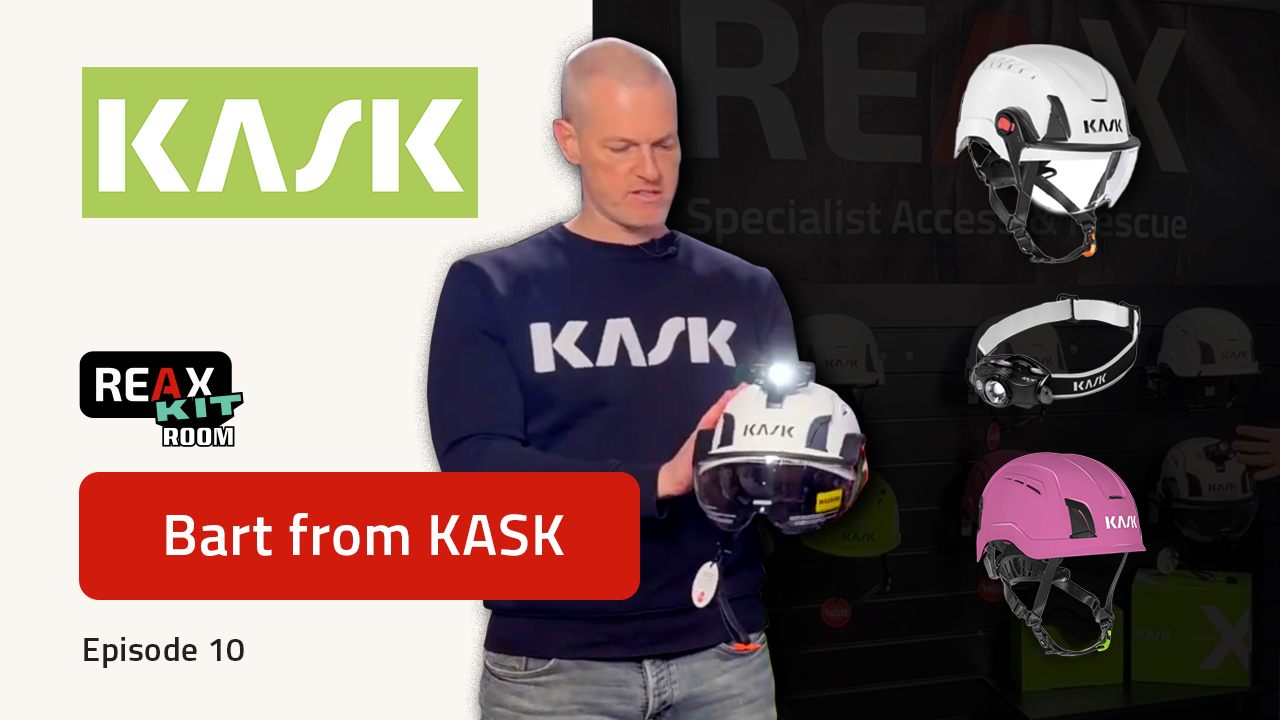
Kit Room: KASK Helmets
Understanding your equipment is just as important as understanding your procedures.
In one of our most popular Kit Room episodes, we take a closer look at KASK helmets — and why they’ve become a leading choice across multiple industries.
Joined by Bart from KASK, we explore:
- The design approach behind their helmets
- How they manage and absorb impact
- The differences between the SuperPlasma, Zenith X, and Primero models
- Accessories that support real working conditions
What stands out is the balance between safety, comfort, and usability.
Because equipment that isn’t comfortable or practical often isn’t used properly.
This episode gives a clear, practical overview to help teams make informed decisions.

April Update: Confined Space & Safety Insights
Trending: Smoke Hood Pre-Use Check
Sometimes, it’s the simplest checks that make the biggest difference.
Smoke hood escape sets are designed to protect workers during emergency evacuation — particularly in confined spaces.
But like any safety equipment, they are only effective if they are ready to use.
In this short video, we cover:
- Why pre-use checks are critical
- What to look for before use
- How to ensure equipment is ready in an emergency
It’s a simple reminder — but one that can have a significant impact.
Supporting Confined Space Safety Beyond Training
A consistent theme across everything we’ve shared this month is this:
Training is the starting point — not the finish line.
To build safer operations, teams need:
- Ongoing reinforcement of key skills
- Practical tools to support decision-making
- Access to clear, relevant guidance
- Confidence in both their knowledge and their equipment
That’s why we continue to develop resources that support teams beyond the classroom.
From blogs and videos to on-site tools like Check Cards, everything is designed to be practical, accessible, and relevant to real-world environments.
Why Regular Updates Matter
Safety isn’t static.
Standards evolve. Equipment improves. Understanding develops.
By regularly sharing insights, updates, and practical guidance, we aim to:
- Keep teams informed
- Reinforce critical knowledge
- Support better decision-making on site
And importantly:
Help organisations move beyond compliance and towards competence.


Looking after your kit
Even the best kit needs regular inspection and servicing. we have a team of fully trained PPE inspectors who can take the worry out of the process. Our servicing team are fully certified to carry out the servicing requirements for many of the leading rescue devices currently on the market.


Unit 4 Keystone Court, Hallam Way,
Whitehills Business Park,
Blackpool,
FY4 5NZ
Company Number: 09204984
VAT No: 199729531
01253767775 Opt 1
info@reaxltd.com
Unit 1 & 2 Keystone Court, Hallam Way,
Whitehills Business Park,
Blackpool,
FY4 5NZ
Company Number: 11576372
VAT No: 307530624
01253767775 Opt 2
equipment@reaxltd.com