
REAX March Update: Rescue Planning & Safety Insights
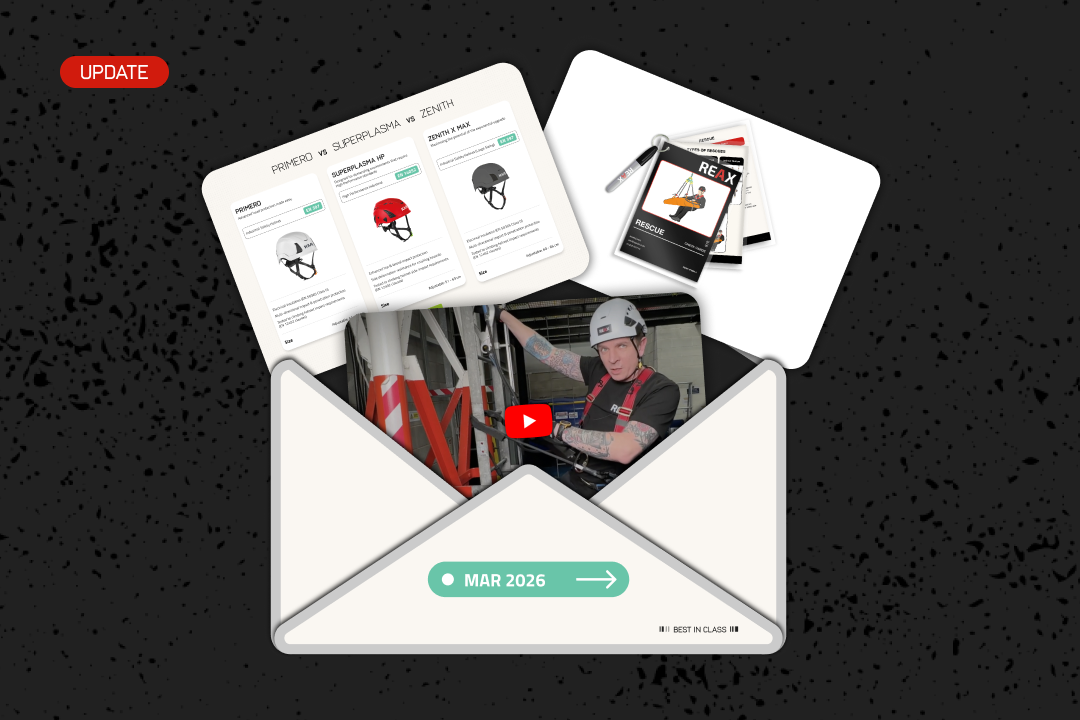

REAX March Updates You Need to Know
From new developments in rescue planning to practical insights on work at height and guidance on selecting the right KASK helmets, March has been a busy and productive month at REAX.
Our focus remains the same: providing practical, usable guidance that supports safer decision-making on site.
Rescue Planning: Skills Fade Is Real
Training is essential but it’s only the starting point.
One of the biggest challenges we see across the industry is skills fade.
Teams complete training, leave confident and capable, but over time the detail becomes less clear. Not because of a lack of effort or intent, but because practical safety knowledge needs reinforcement to stay effective.
This is particularly important when it comes to rescue planning.
Rescue is not something that can be improvised under pressure. It requires:
- Clear understanding
- Structured decision-making
- Confidence in systems and equipment
- Defined roles and communication
Without regular reinforcement, even well-trained teams can hesitate when it matters most.
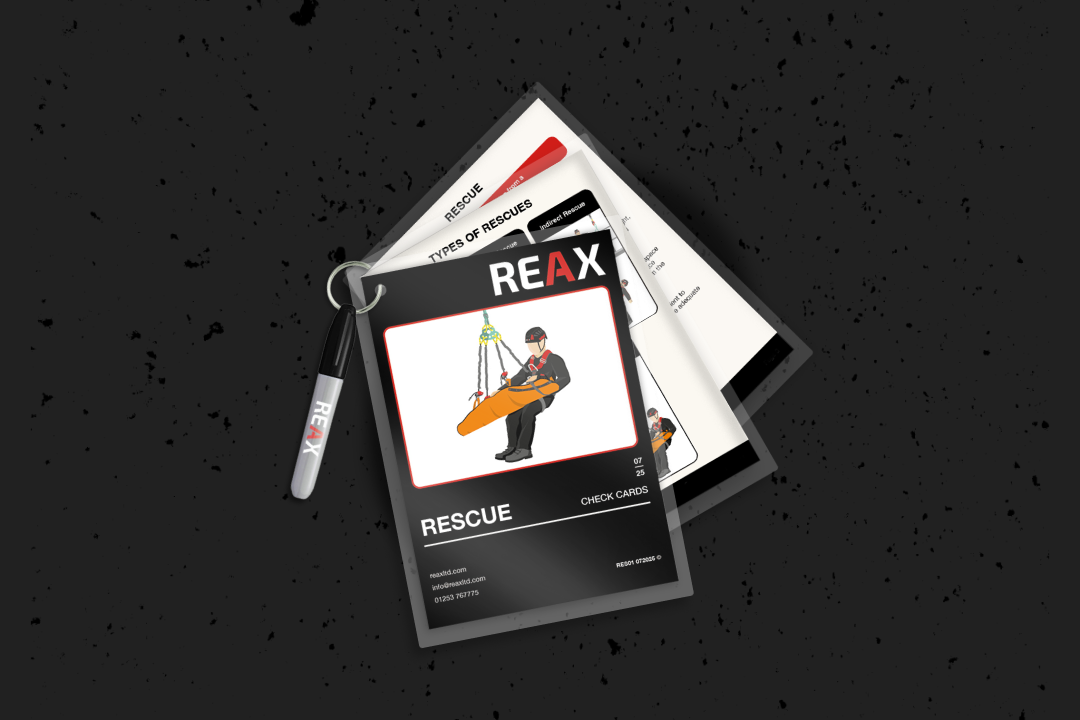
Supporting Rescue Planning on Site
To help address this, we’ve developed our REAX Rescue Check Cards.
These are simple, practical tools designed to support:
- Toolbox talks
- Pre-task planning
- On-site briefings
- Rescue plan validation
Rather than relying on memory alone, teams have a physical prompt to guide discussions and ensure key considerations are not missed.
This is especially valuable in high-risk environments such as:
- Work at height
- Confined spaces
- Rope access operations
The goal is straightforward — reduce uncertainty and improve consistency in how rescue planning is approached.
Explore the Rescue Check Cards↗︎
From Theory to Practical Application
Alongside the check cards, we’ve also released a Rescue Specialist video playlist.
Each video focuses on a key element of rescue planning and execution, helping teams understand not just what to do, but why it matters.
This structured approach supports learning in a way that is:
- Accessible
- Repeatable
- Easy to apply on site
Watch the Rescue Specialist video playlist↗︎
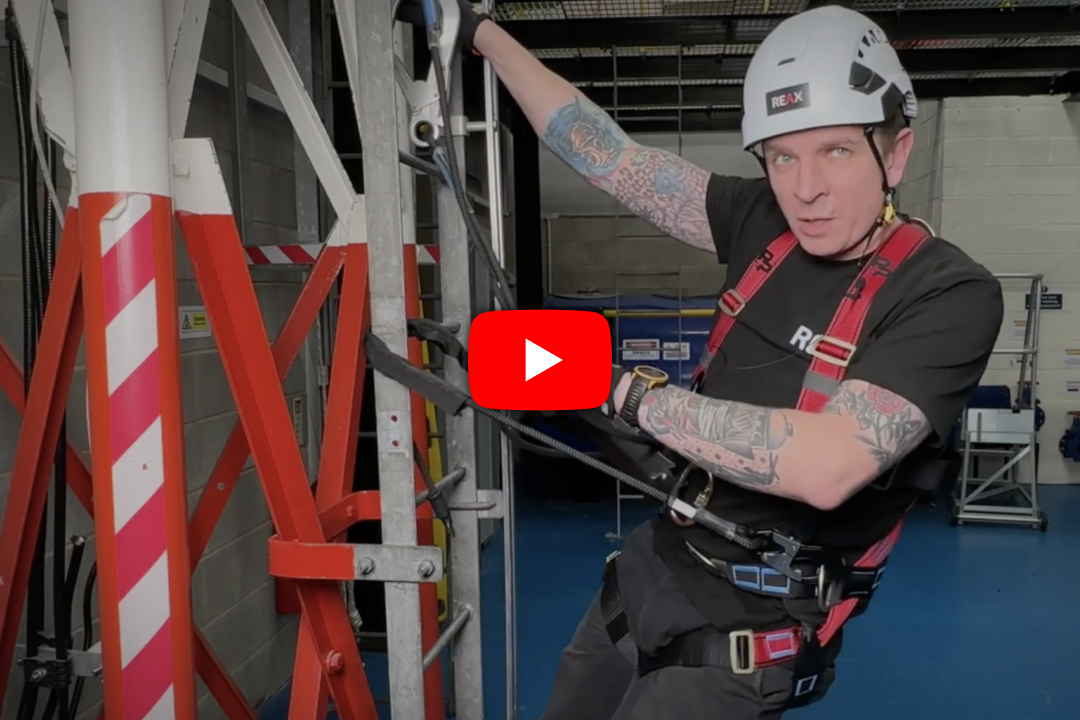
Work at Height: What Is Work Positioning?
Another key topic this month has been work at height, specifically work positioning.
It’s a term that is widely used — but often misunderstood.
Why Work Positioning Matters
Work positioning sits within the hierarchy of control and is designed to:
- Support the user in a stable working position
- Reduce fatigue during tasks
- Allow hands-free operation
However, it is not a fall protection system on its own.
Misunderstanding this can lead to:
- Incorrect system selection
- Increased exposure to risk
- Over-reliance on inappropriate equipment
Clarity Through Practical Explanation
To address this, we’ve broken the topic down in a dedicated blog and supporting video.
We cover:
- What work positioning is (and isn’t)
- Where it fits within safe systems of work
- When it should be used
- Key considerations for implementation
The aim is to remove ambiguity and give teams clear, usable guidance they can apply immediately.
KASK Helmets: Choosing the Right Equipment
Selecting the right equipment is another area where clarity is essential.
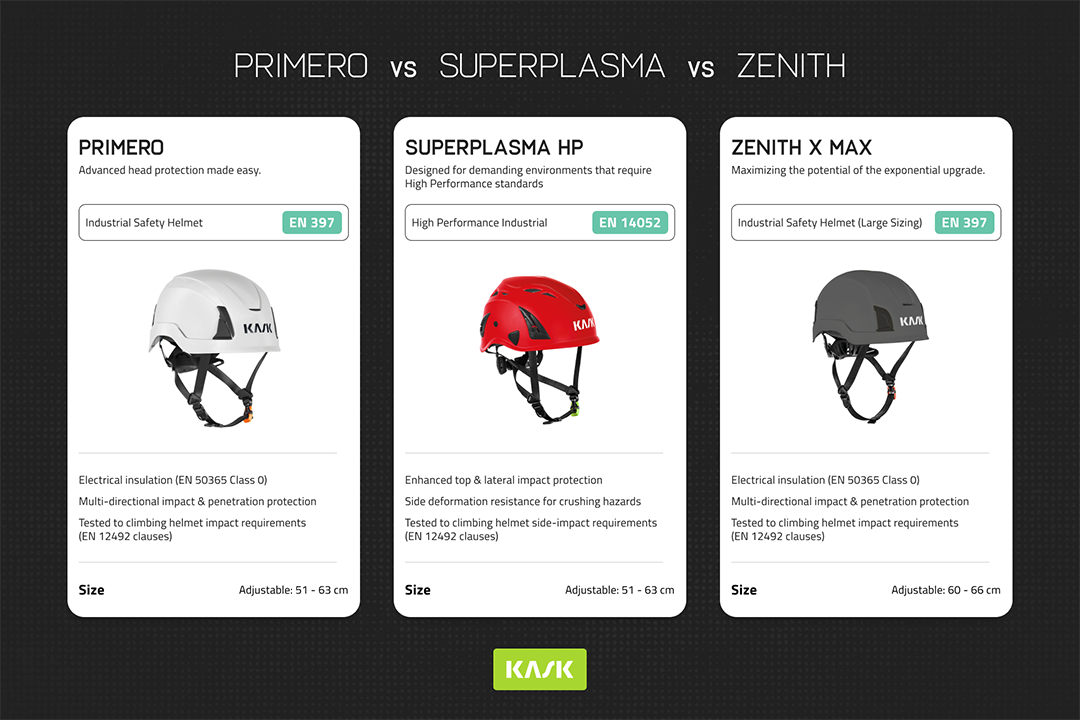
This month, we’ve focused on the KASK helmet range, helping teams understand the differences between models and how to choose the right setup.
Why Helmet Selection Isn’t Always Simple
Modern safety helmets offer far more than basic protection.
They now include:
- Multiple safety standards
- Advanced impact protection
- Modular accessory systems
- Task-specific configurations
While this is a positive development, it can make selection more complex.
Breaking Down the KASK Range
Our recent content series explores three core models:
- SuperPlasma – Lightweight, scalable protection suitable for a wide range of environments
- Primero – A hybrid model combining comfort with enhanced protection features
- Zenith – A premium option designed for more demanding applications
Each helmet supports different:
- Accessories
- Standards
- Working environments
There is no “one-size-fits-all” solution, the right choice depends on your site, task, and risk assessment.
Watch the KASK Kit Room episode↗︎
Equipment Support from REAX
At REAX, we position ourselves as more than a supplier.
We support teams with:
- Equipment selection guidance
- Practical demonstrations
- Integration with safe systems of work
- Training aligned to real-world use
If you’re unsure which configuration is right, our team can help.
📞 01253 767775 (Opt 2)
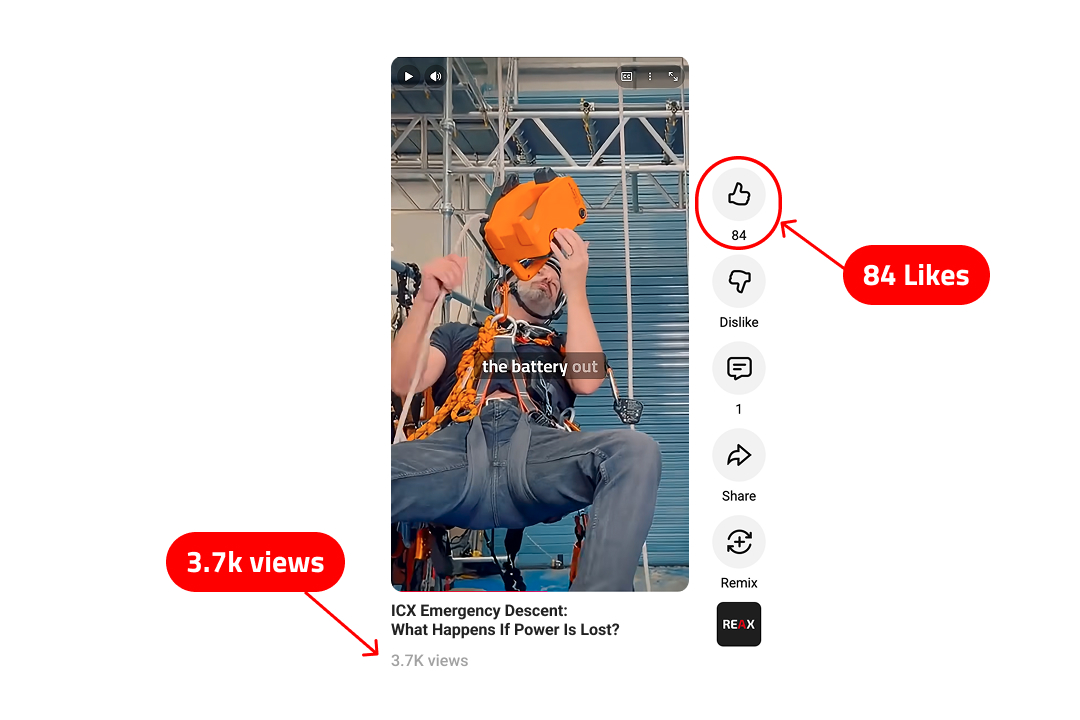
Trending Video: ICX Emergency Descent
Finally, one of our most engaged pieces of content this month has been a short video answering a simple but important question:
What happens if power is lost?
Following strong engagement on our ICX setup videos, this latest release focuses on emergency descent.
Why This Matters
Understanding equipment behaviour in failure scenarios is critical.
It helps teams:
- Anticipate real-world situations
- Build confidence in equipment
- Respond effectively under pressure
This short video provides a clear, practical demonstration of what to expect.
Supporting Safer Work Through Practical Guidance
Across all of these updates, the focus remains consistent:
- Making complex topics easier to understand
- Providing practical tools, not just theory
- Supporting teams before, during, and after training
- Helping organisations build confidence in their systems
Whether it’s rescue planning, work at height, or equipment selection, the goal is to ensure that what is learned can be applied effectively on site.
Need Support?
If you need help with:
- Rescue planning
- Work at height systems
- Equipment selection
- Training or consultancy
Our team is here to support you.
Final Thoughts
Safety doesn’t stand still and neither should the way we approach it.
Regular updates, ongoing learning, and practical tools all play a role in maintaining high standards and reducing risk.
March has been focused on exactly that reinforcing the fundamentals while introducing tools and content that make them easier to apply.
If you haven’t already, explore the resources above and see how they can support your team.


Looking after your kit
Even the best kit needs regular inspection and servicing. we have a team of fully trained PPE inspectors who can take the worry out of the process. Our servicing team are fully certified to carry out the servicing requirements for many of the leading rescue devices currently on the market.


Unit 4 Keystone Court, Hallam Way,
Whitehills Business Park,
Blackpool,
FY4 5NZ
Company Number: 09204984
VAT No: 199729531
01253767775 Opt 1
info@reaxltd.com
Unit 1 & 2 Keystone Court, Hallam Way,
Whitehills Business Park,
Blackpool,
FY4 5NZ
Company Number: 11576372
VAT No: 307530624
01253767775 Opt 2
equipment@reaxltd.com